About Me
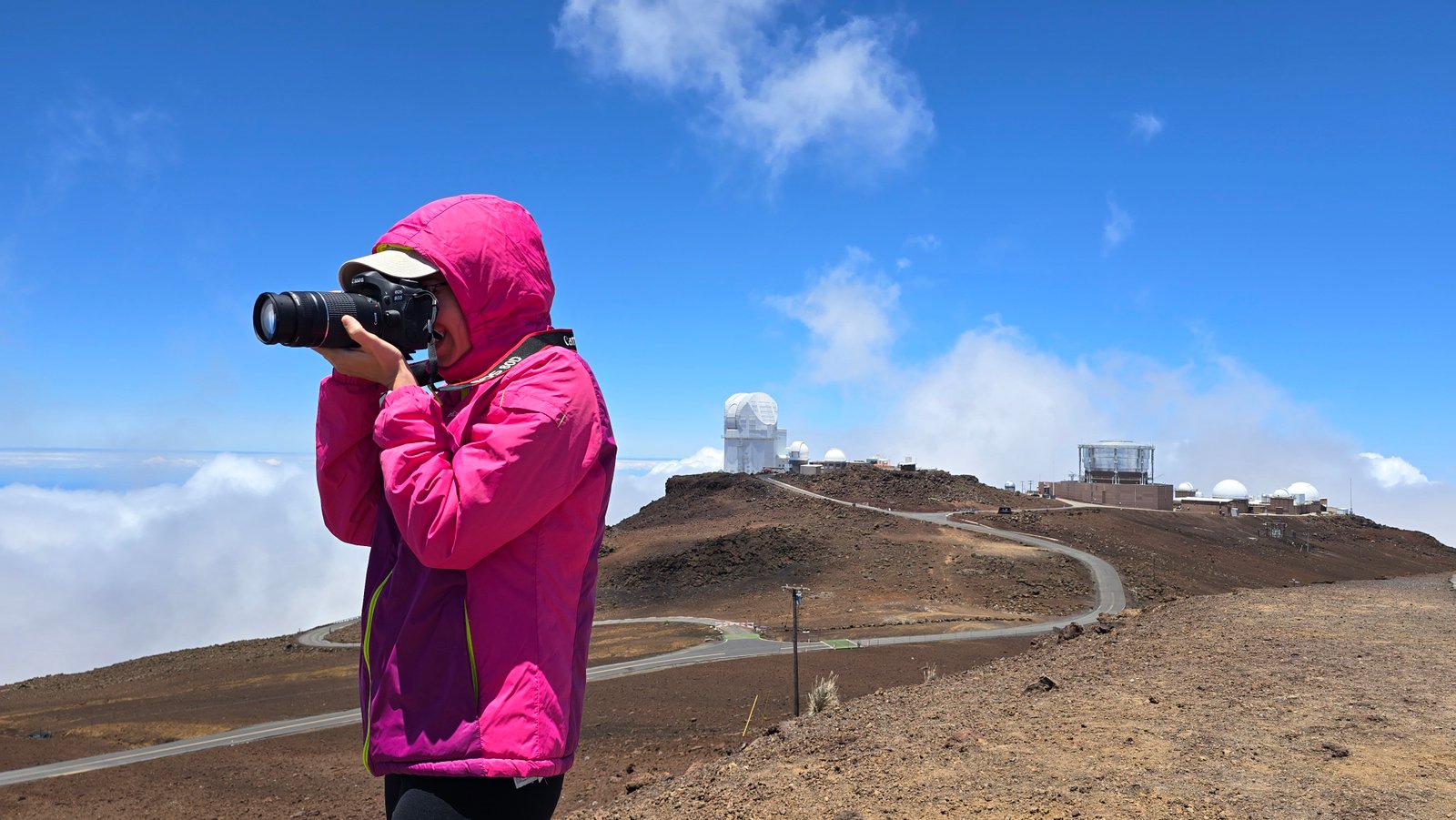
I am a PhD Candidate in Astronomy at the Institute for Astronomy (IfA) at the University of Hawai'i at Mānoa, working with Jennifer van Saders. I am broadly interested in stellar structure and evolution. Currently, my work focuses on calibrating the "clocks" inside low-mass stars. By analyzing the complex interplay between stellar rotation and magnetic fields, I aim to pin-down one of the most fundamental and challenging stellar properties to constrain: stellar age. My approach bridges theory and observation, using spectropolarimetry to map magnetic field morphologies and stellar rotational models to understand stellar spin-down.
Previously, I worked with Adwin Boogert using NASA IRTF/iSHELL high-resolution spectroscopy to study the chemical composition of protoplanetary disks.
I obtained my BSc (Hons) in Physics with Astrophysics in 2021 from the University of Dundee, where I worked with Dr Aurora Sicilia-Aguilar.
Research Projects
Gyrochronology at the Fully Convective Boundary
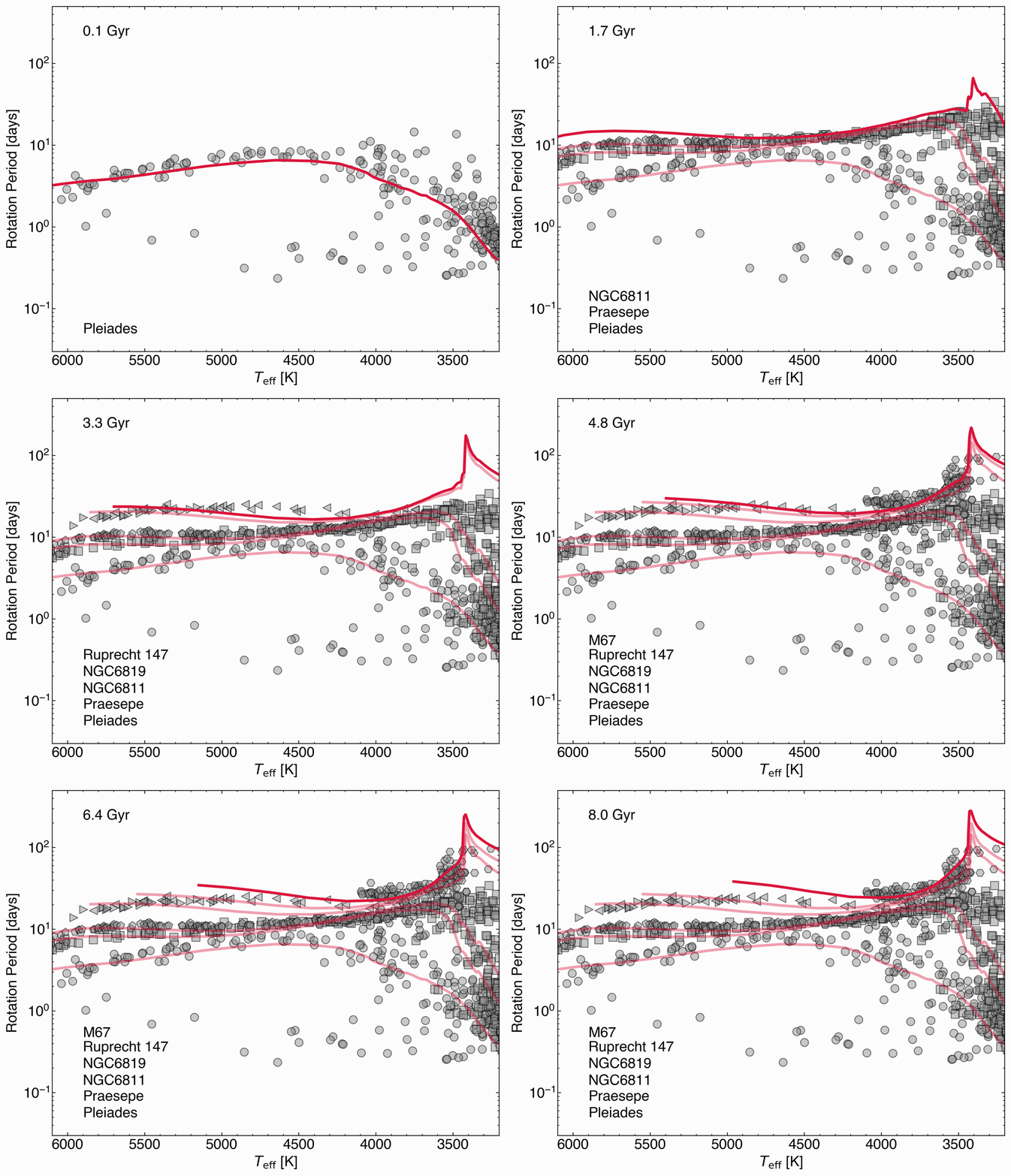
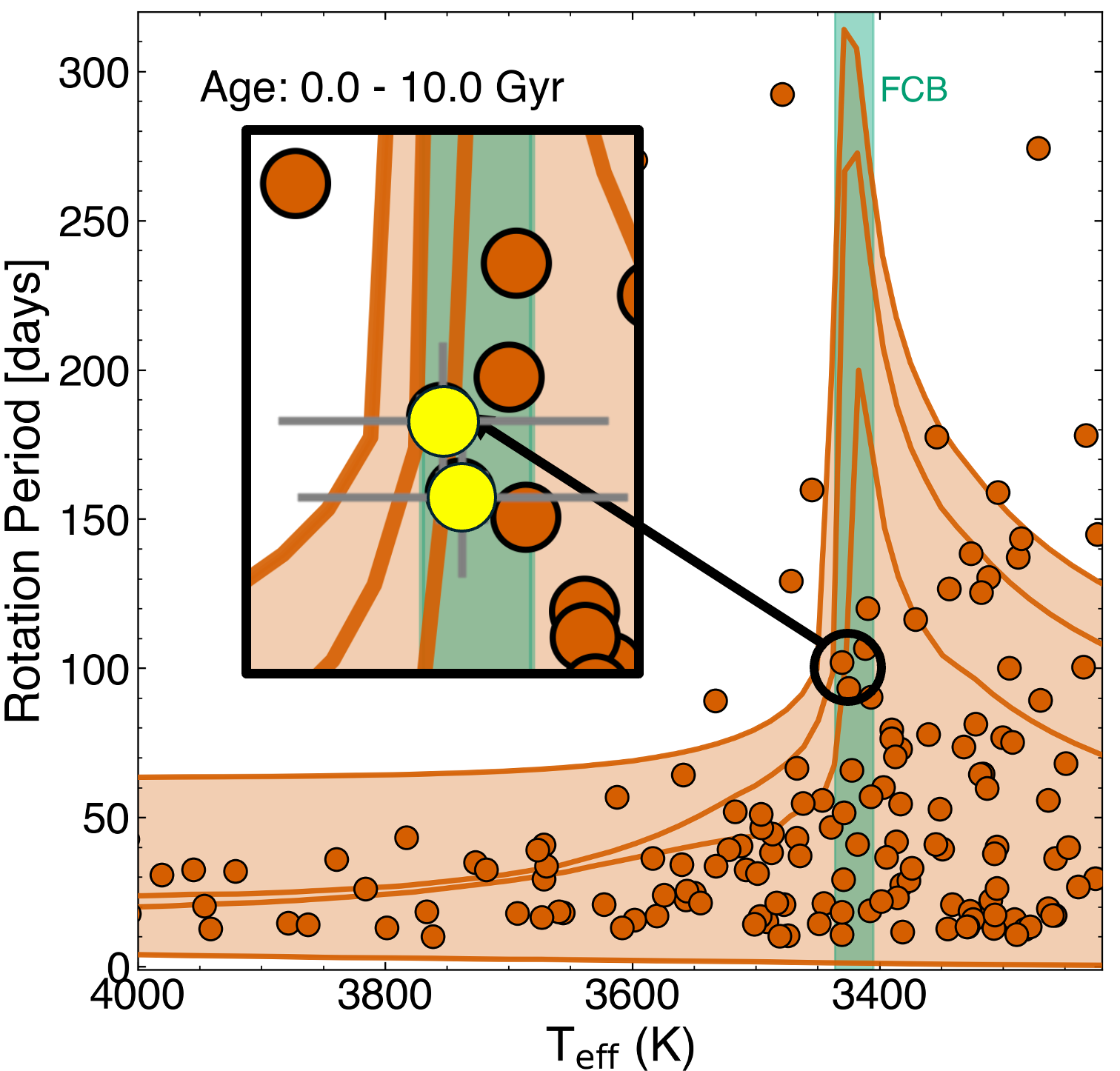
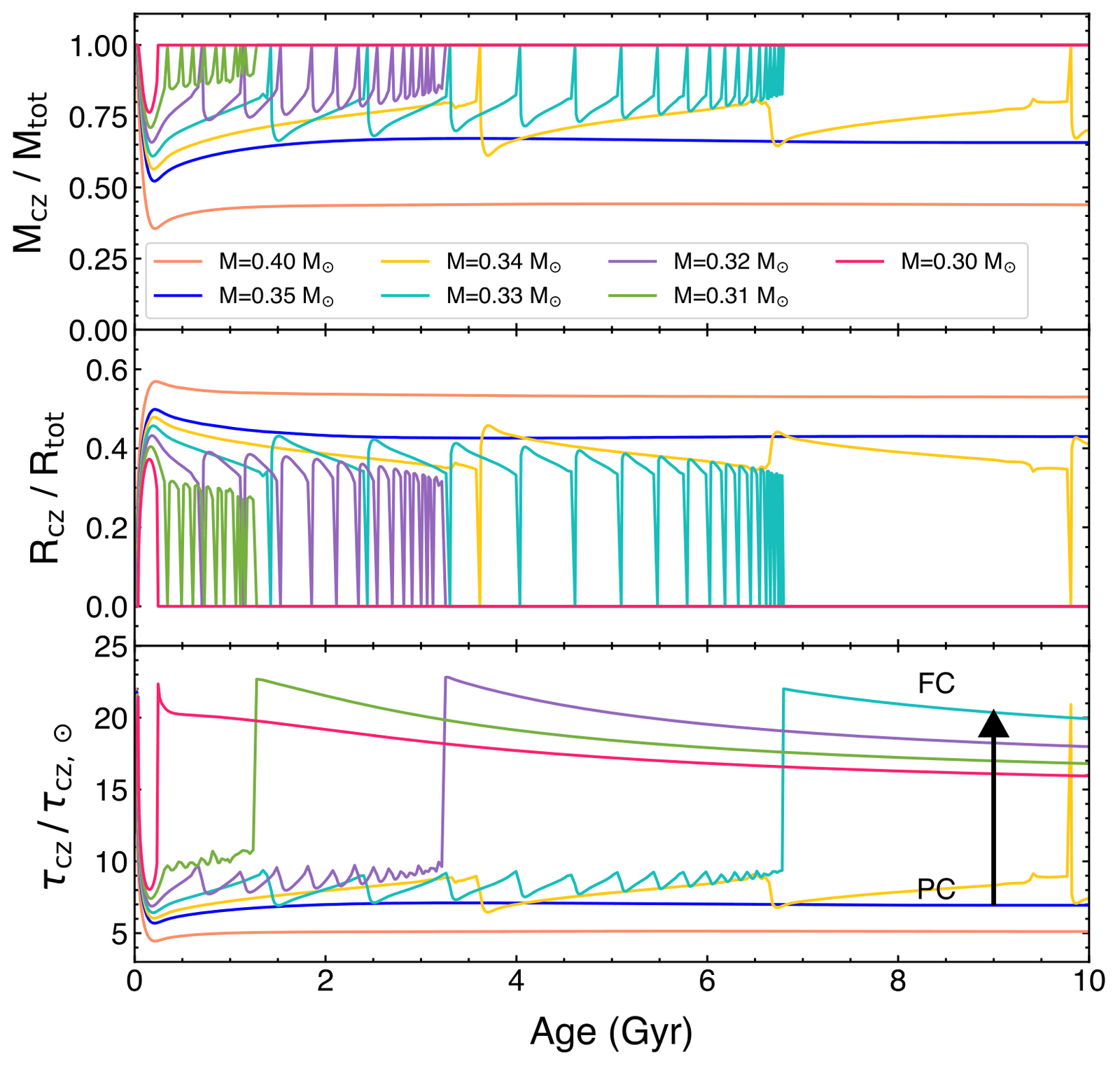
Determining the ages of low-mass stars is a fundamental challenge in astrophysics. While gyrochronology—using a star's rotation period as a clock—is a promising tool, it requires precise calibration that has historically been difficult to achieve for old, isolated stars. To address this, we constructed a benchmark sample of wide binary systems consisting of a main-sequence star, used for rotational evolution modeling, and a white dwarf, used to independently date the system. Our analysis revealed a significant anomaly at the fully convective boundary, where stars lose their radiative core. We found that stars undergoing this transition experience a rapid phase of magnetic braking, leading to a sharp increase in rotation periods compared to slightly hotter stars. We link this behavior to structural instabilities that occurs when stars become fully convective. Our findings identify a "blind spot" for gyrochronology, where rotation periods cannot uniquely constrain age.
Spectropolarimetry of tau Ceti
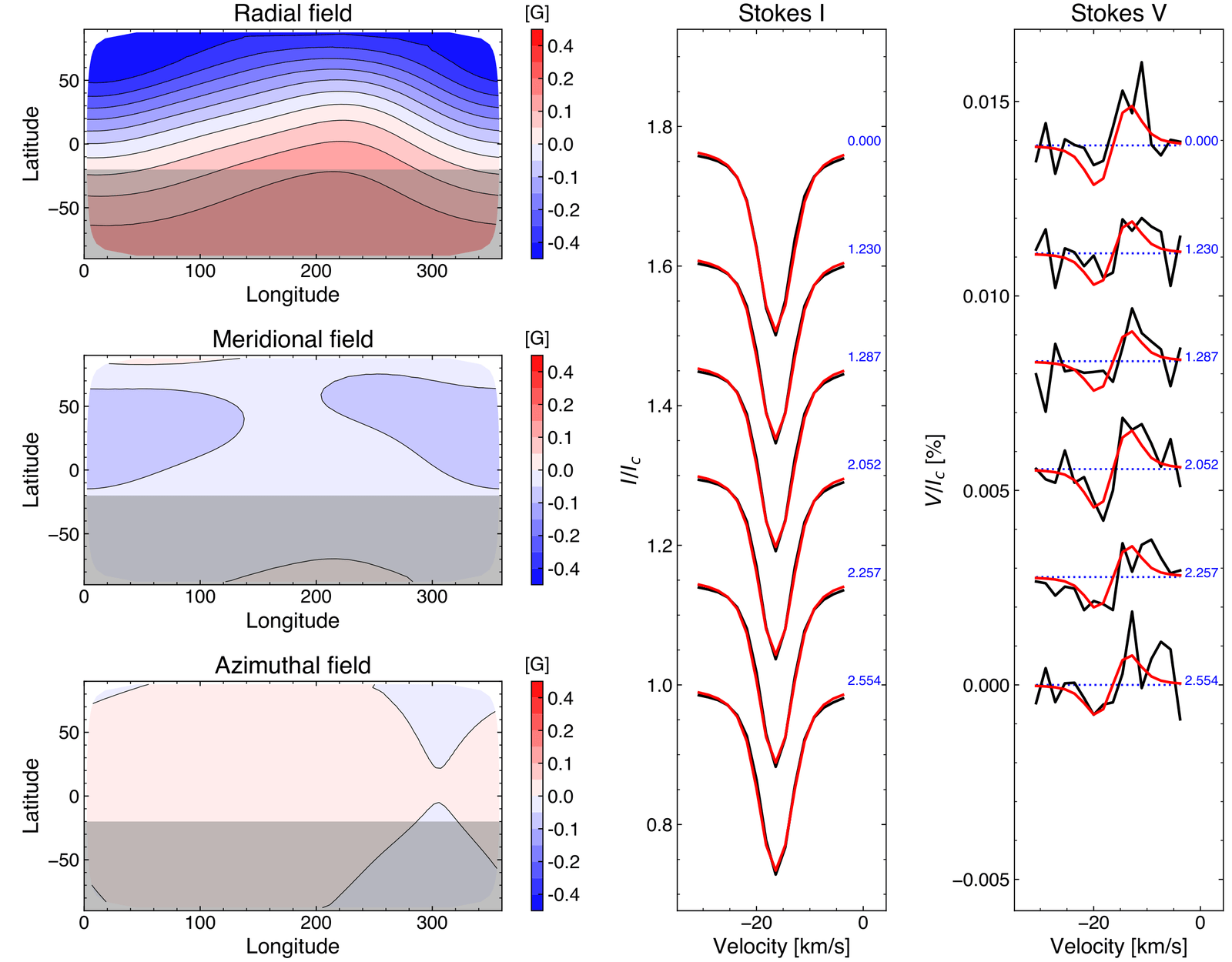
Standard models of stellar rotational evolution predict that Sun-like stars should continuously spin down as they age, losing angular momentum to their magnetized winds. However, recent data has revealed a phenomenon known as "weakened magnetic braking," (WMB) where this spindown process unexpectedly becomes less efficient for older stars. To test the leading hypothesis for WMB—that the large-scale magnetic field required for braking disappears—we targeted tau Ceti, a nearby, old solar analog. Using high-resolution spectropolarimetric data from the CFHT, we reconstructed the first map of the star's large-scale magnetic field using Zeeman Doppler Imaging. Our analysis unveiled the weakest large-scale magnetic field ever detected on a Sun-like star, nearly an order of magnitude weaker than standard models predict. This result provides direct empirical confirmation for the WMB hypothesis: it suggests that older Sun-like rotate faster than expected because their large-scale magnetic dipoles—the "lever arms" necessary for shedding angular momentum—fade away.
Organics in Protoplanetary Disks
Understanding the chemical inventory of protoplanetary disks is essential for tracing the origins of organic molecules in planetary systems. To investigate this, we conducted high-resolution infrared spectroscopy of four protoplanetary disks using the iSHELL spectrograph on the NASA Infrared Telescope Facility. We detected OH, HCN, and water, but found no methane—likely suggesting it is buried deep in the optically thick midplane or less abundant than predicted. Implementing detailed telluric modeling to remove Earth's atmospheric interference will be critical to reveal the signals of these faint, deep-seated organic molecules.
Magnetic Reconnection on The Sun
While the origin of the fast solar wind is well established, the source of the "slow" solar wind (<500 km/s) remains an open question in heliophysics. Magnetic reconnection is a leading candidate for driving this outflow, a process that frequently occurs at "null points"—singularities where the magnetic field strength drops to zero. To facilitate the study of this mechanism, we developed a Python code capable of computing these magnetic null points for any input magnetic field . This tool allows us to analyze complex magnetic topologies on the Sun and investigate their role in accelerating the slow solar wind.
Teaching, Mentoring, Outreach & Service
-
Observational Astronomy Projects (ASTR 301)
University of Hawai’i at Mānoa (2022)
-
Observational Astronomy Lab (ASTR 300L)
University of Hawai’i at Mānoa (2021) -
Introduction to Programming (EG21007)
University of Dundee (2018-2020)
HI STAR (Maui)
I mentor middle and high school students through the University of Hawai’i’s HI STAR program, a summer initiative enabling local students to conduct original research and collect data with the Las Cumbres Observatory. In 2025, I guided students Reina Mae Lana, Lyngel Paguel, and Anthony Phillips on a project utilizing Gaia data and stellar evolution models to determine the ages of open clusters.
Maunakea Scholars
I mentor students through this innovative program that allocates observing time on Maunakea telescopes to Hawai‘i public high school students. I advised Jahnea Ordona (Kealakehe High School) on a project using CFHT spectral data to search for biosignatures on Europa. This research culminated in Jahnea winning the NASA Earth System Science Project Award.
GWISH (Graduate Women in Science at Hawaii)
As an active member of GWISH, I work to support and empower women and girls in STEM through networking events, peer mentorship, and advocacy for an inclusive academic environment.
LOC Member
I served as a member of the local organizing committee for the TESS/Kepler Asteroseismic Science Consortium, hosted by the Institute of Astronomy at the Unversity of Hawai’i in Honolulu in June 2023.
General Outreach
I regularly participate in open house events at the Institute for Astronomy and community stargazing nights to share the wonders of the universe with the public.
Photography
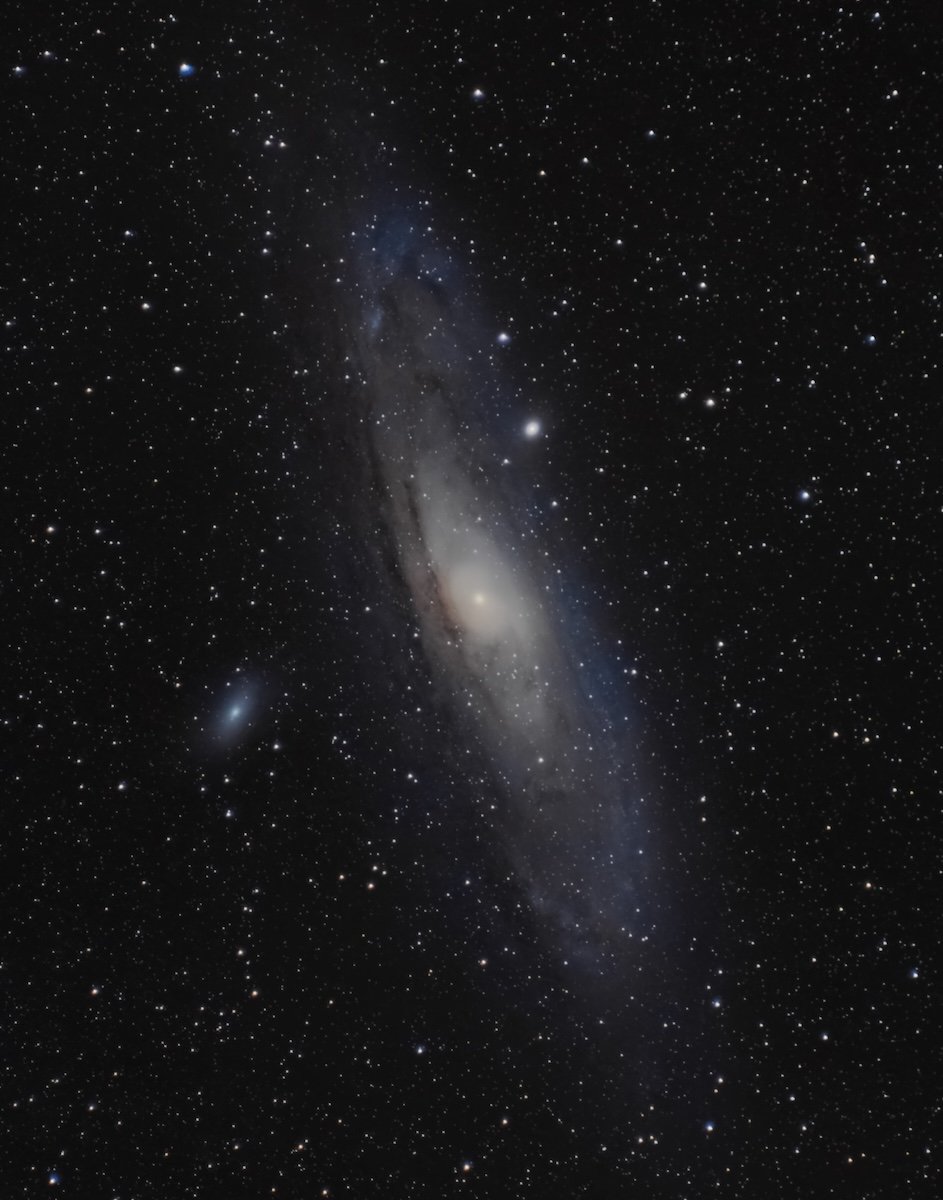
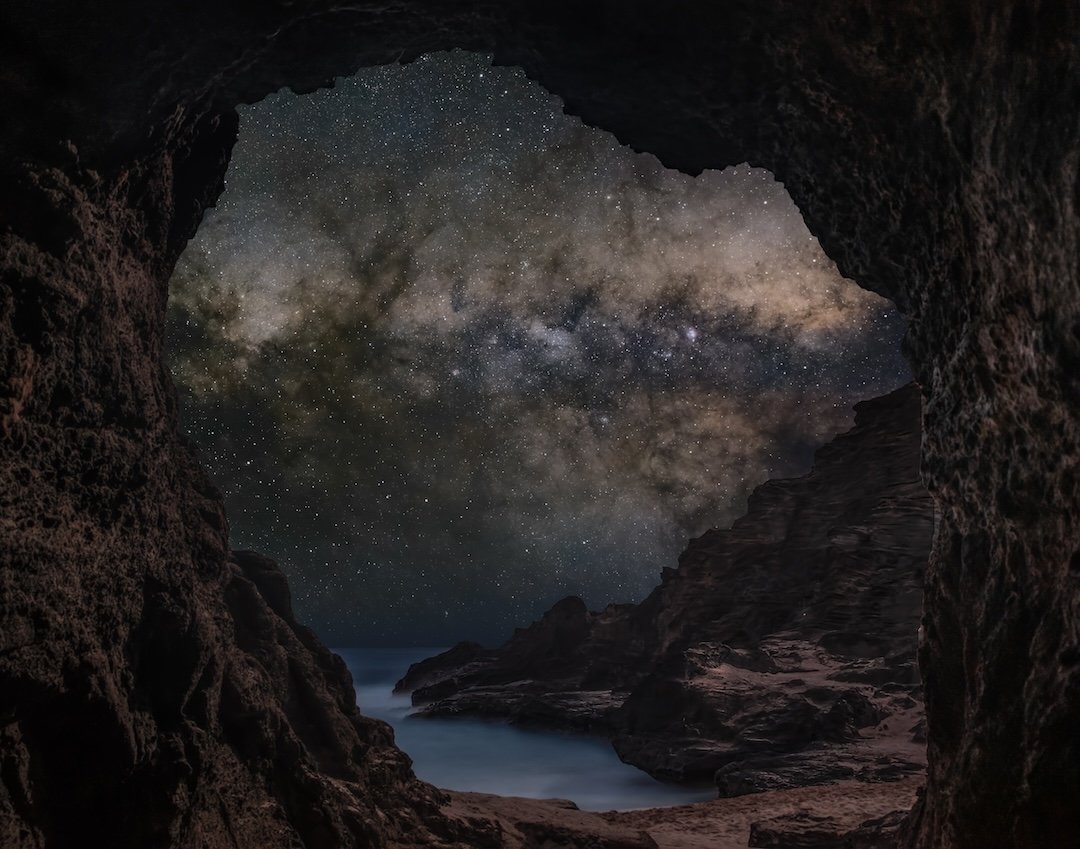
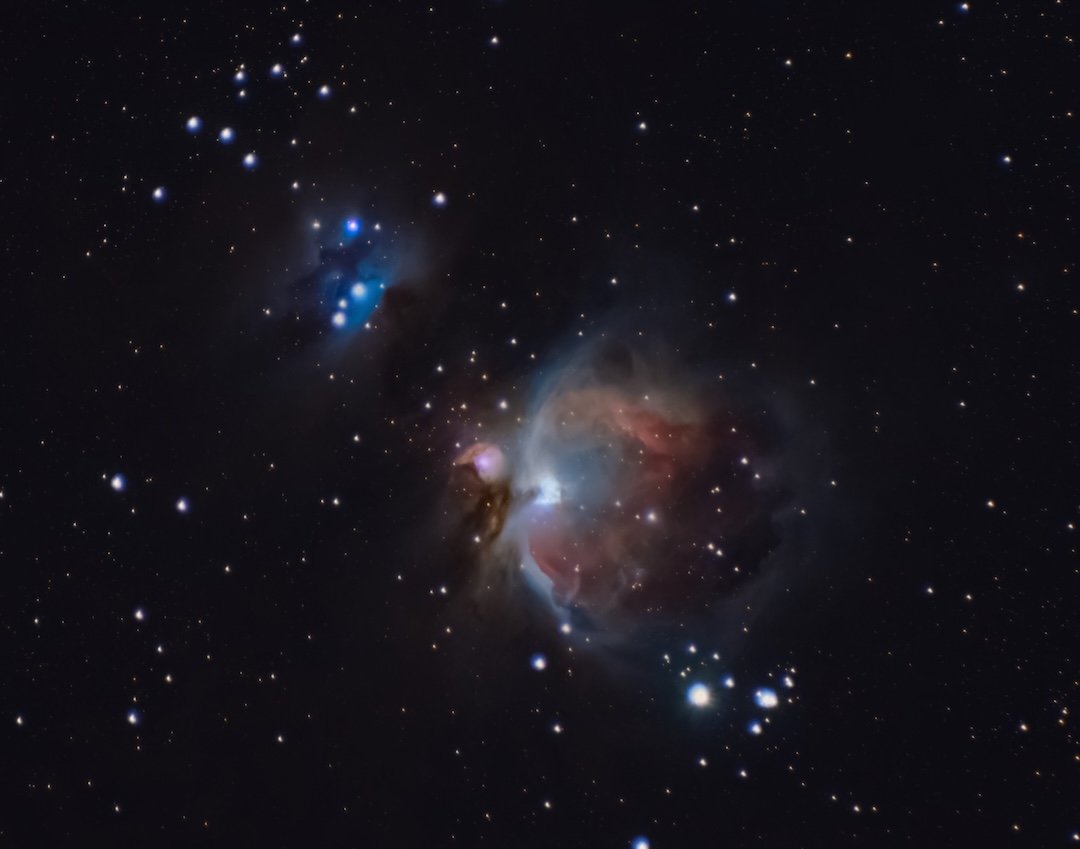
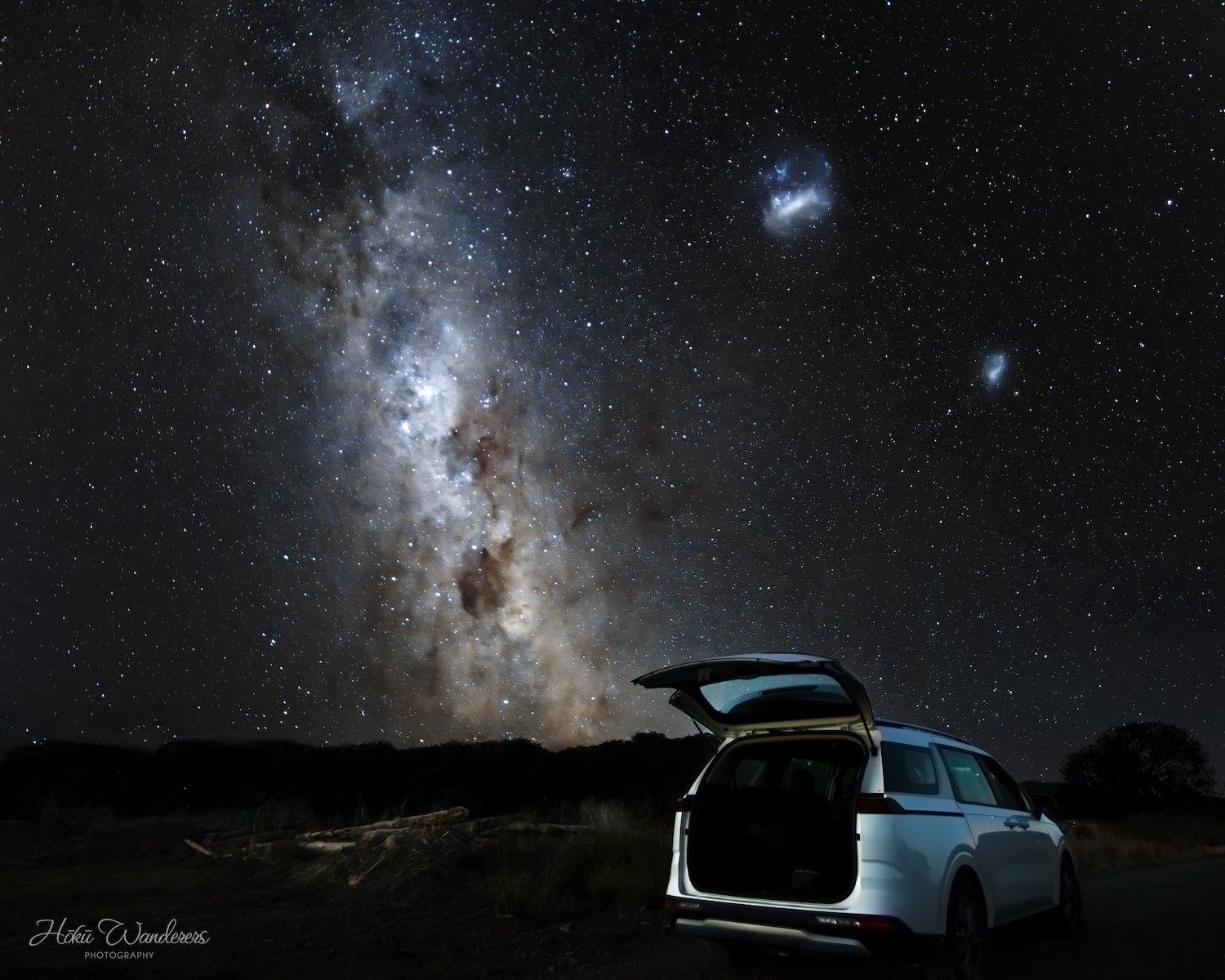
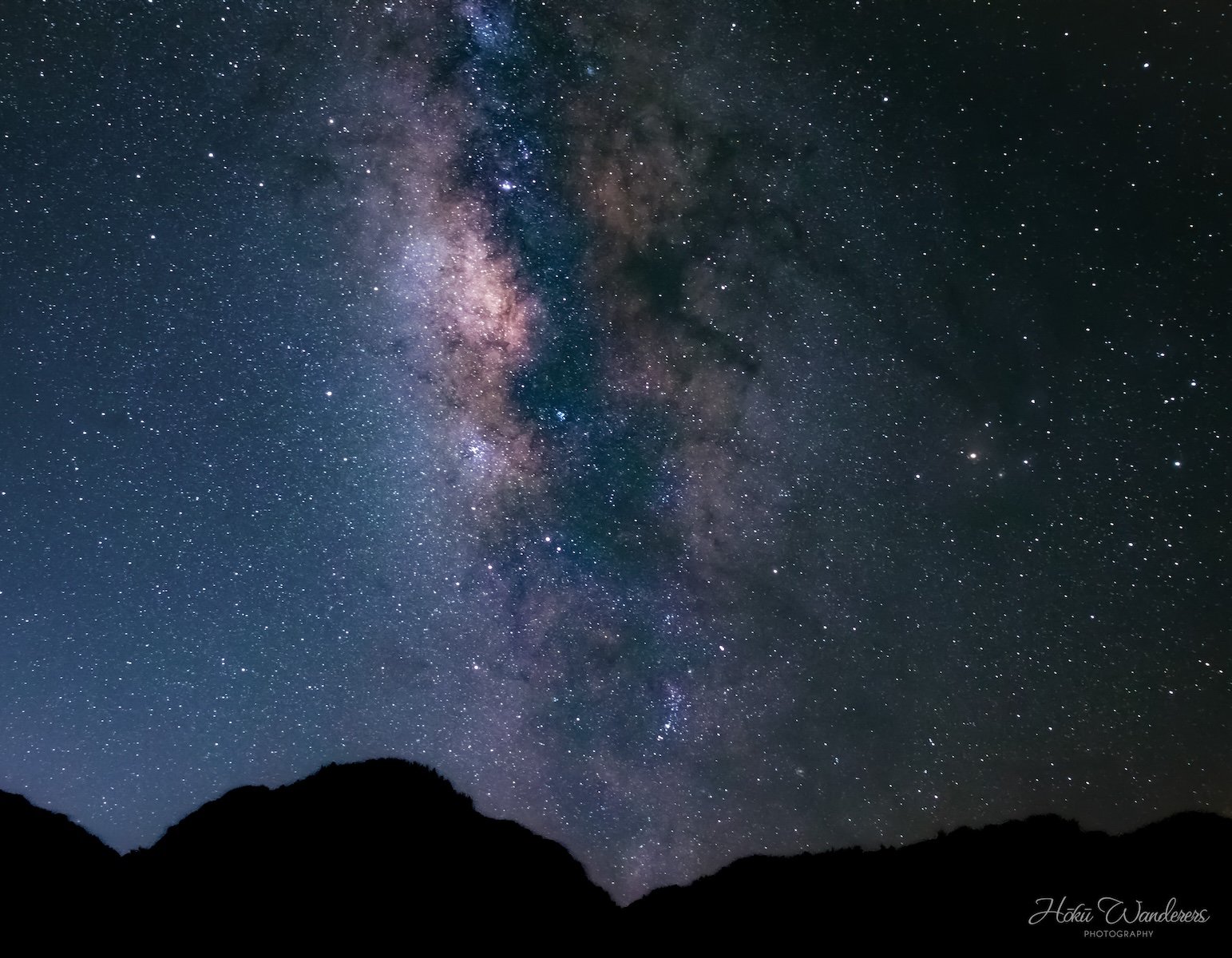
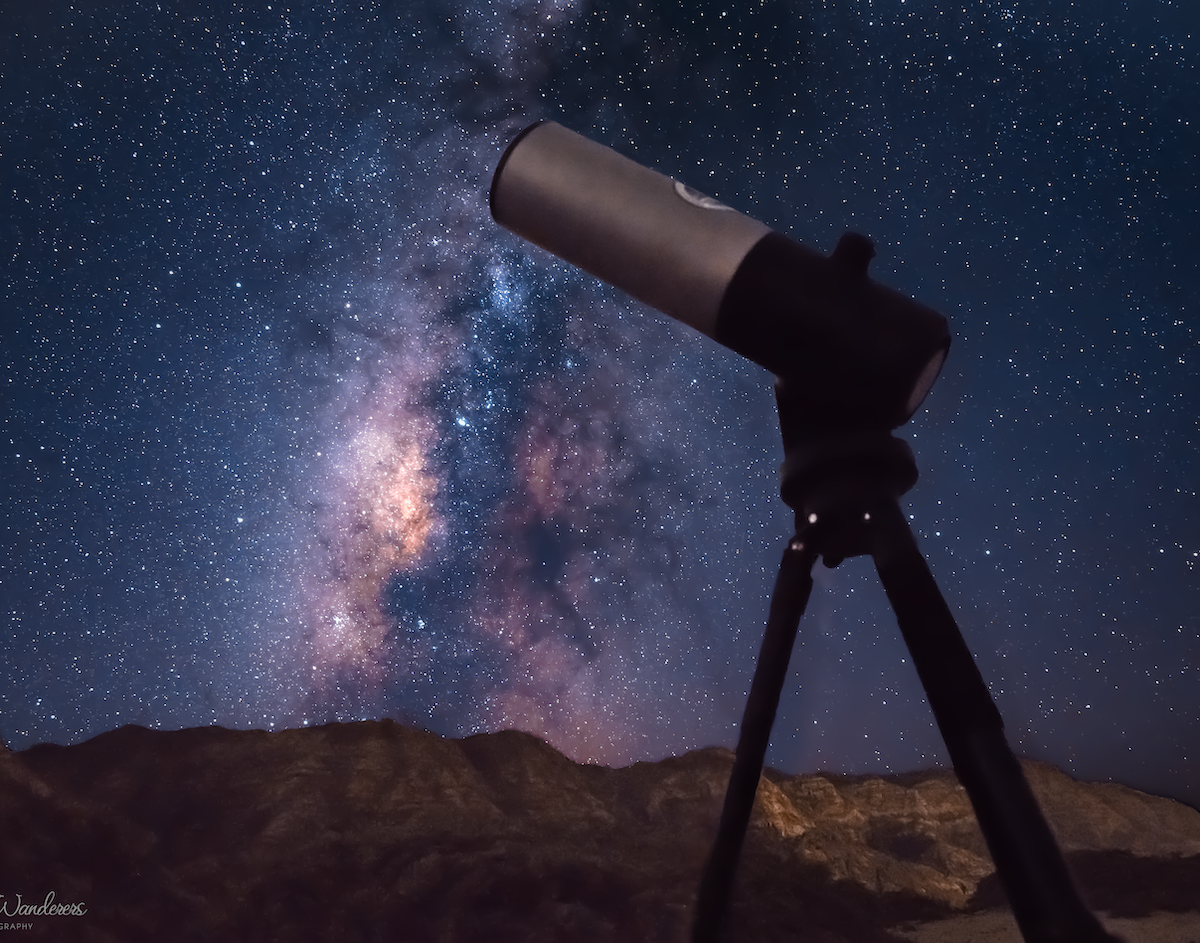
Outside of science, I am a passionate photographer. I love taking pictures of nature, including landscapes, animals, flowers, and the night sky. Here is a small gallery.
Get In Touch
Feel free to reach out for collaborations, questions about my research, or just to connect.